Understanding Debt Relief Options in 2026: How Unsecured Debt Settlement Programs Work and What to Expect Before Enrolling

Consumer debt has kept climbing through 2026, and I've noticed a shift in how people talk about it. Fewer folks are asking 'should I file for bankruptcy?' and more are asking 'can I settle this instead?' That's not surprising. Credit card interest rates are still brutal, medical bills keep piling up, and personal loans taken out a few years ago now feel impossible to manage on stagnant paychecks. Debt settlement has become a middle-ground option for people who don't want the long-term stigma of bankruptcy but also can't keep treading water on minimum payments that barely touch the principal.
This article walks through how unsecured debt settlement programs actually function, what you should realistically expect before signing anything, and how looking at established, well-vetted programs—like a widely referenced Hawaii debt relief program roundup—can give you a useful benchmark for judging credibility anywhere you live, including here in Italy where cross-border consumer debt awareness is becoming more relevant.
What Is Unsecured Debt Settlement?
Unsecured debt is money you owe that isn't tied to collateral—think credit cards, personal loans, medical bills, and some private student loans. Compare that to secured debt like a mortgage or car loan, where the lender can repossess an asset if you stop paying. Because unsecured creditors have no collateral to seize, they're often more willing to negotiate, which is exactly what 'settlement' means: you or a company acting on your behalf negotiates with the creditor to accept a reduced lump-sum payment instead of the full balance owed.
How Settlement Differs from Consolidation or Bankruptcy
People often lump these three options together, but they're quite different. Debt consolidation combines multiple debts into one loan, usually at a lower interest rate, but you still pay back 100% of what you owe. Bankruptcy legally discharges debt but comes with serious long-term credit consequences and court involvement. Debt settlement sits in between: you typically pay less than the full balance, but it requires missed payments during negotiation and it does affect your credit report, just not as severely or for as long as bankruptcy usually does.
How Debt Settlement Programs Actually Work
The process is fairly standardized across the industry, even if individual companies handle it slightly differently. First, you enroll your eligible unsecured debts. Then, instead of continuing to pay creditors directly, you start depositing money monthly into a dedicated savings or escrow account. That account builds up until there's enough to offer creditors a lump-sum settlement—usually somewhere between 30% and 60% of the original balance, though this varies widely.
Programs typically run two to four years, depending on how much debt you're enrolling and how much you can afford to save each month. Fees are usually charged as a percentage of the enrolled debt or, in better-structured programs, as a percentage of the amount actually saved through negotiation. That distinction matters a lot, and I'll get into why later.
The Role of the Settlement Company
A debt settlement company acts as your negotiator. They contact creditors, propose settlement offers, manage the escrow account (often through a separate, FDIC-insured third-party bank), and give you regular updates on progress. A reputable company will be transparent about timelines, success rates, and what happens if a creditor refuses to negotiate. This is exactly why choosing the right provider matters so much—the negotiation skill and integrity of the company directly affects how much you actually save and how smooth the process feels.
What to Expect Before You Enroll
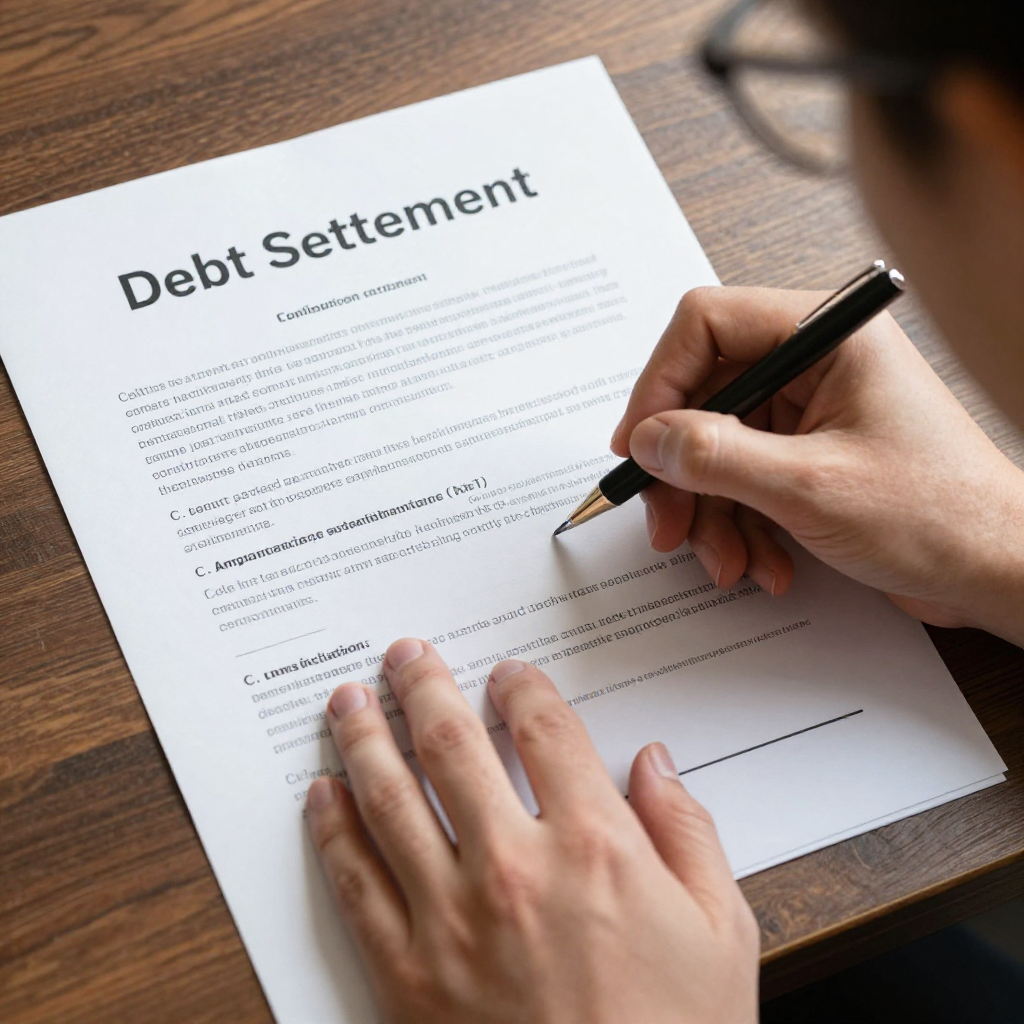
Before signing up, it helps to go in with realistic expectations. Your credit score will likely drop during the program since you're not making payments as agreed. Creditors may continue calling or even initiate collection activity while you're saving toward a settlement—this can feel stressful, and legitimate companies should prepare you for it rather than downplay it.
There's also a tax angle many people overlook: forgiven debt over $600 is generally reported to the IRS as income, which can create a tax bill the following year. And of course, read every page of the contract. Understand exactly what fees apply, when they're charged, and what your cancellation rights are. If something in the agreement feels vague or rushed, that's worth pausing over.
A Real-World Example — Evaluating Credible Programs Through the Hawaii Case Study
One of the more useful ways to understand what 'credible' looks like in this industry is to study how local consumers vet providers in a specific market. Hawaii is a good example because its cost of living pressures many residents into carrying higher unsecured debt loads relative to income. Resources that compare accredited companies operating in that state—like the Hawaii debt relief program comparison—give readers a framework for evaluating fee structures, accreditation status, and actual settlement track records rather than marketing promises.
What makes this kind of resource genuinely useful as a model isn't the geography—it's the methodology. A well-built comparison guide highlights which companies avoid upfront fees, which ones disclose average settlement percentages, and which ones have verifiable customer reviews rather than curated testimonials. Whether you're in Honolulu or Milan, that same evaluation framework applies: look for transparency, verifiable accreditation, and a track record you can independently confirm.
Red Flags and Common Mistakes to Avoid
The debt settlement industry has its share of bad actors, so knowing the warning signs protects you from wasting money or making your situation worse.
- Any company demanding upfront fees before settling a single debt—this violates the FTC Telemarketing Sales Rule in the U.S. and is a major red flag anywhere.
- High-pressure sales tactics urging you to sign immediately without reviewing terms.
- Vague or refused answers about historical success rates or average settlement percentages.
- Guarantees of specific outcomes—no legitimate negotiator can promise a fixed result before contacting creditors.
- Lack of a written agreement clearly outlining fees, timelines, and cancellation terms.
How to Choose a Credible Debt Settlement Company
Once you understand the risks, picking the right provider comes down to a practical checklist:
- Verify accreditation through organizations like the American Fair Credit Council (AFCC) or the International Association of Professional Debt Arbitrators (IAPDA).
- Confirm the company is properly licensed to operate in your state or region.
- Read independent, third-party reviews rather than relying solely on testimonials on the company's own site.
- Request a written agreement detailing exactly how and when fees are charged.
- Look for a fee-only-after-results structure, meaning you pay only once a settlement is actually reached.
- Cross-reference your shortlist against independent comparison resources, similar in approach to the Hawaii example, before committing to anything.
Conclusion
Debt settlement isn't the right fit for everyone, but for the right candidate—someone with a meaningful amount of unsecured debt and the discipline to save consistently over a couple of years—it can be a realistic alternative to bankruptcy. The key differentiator between a good outcome and a frustrating one almost always comes down to the credibility of the company you choose. Understanding the process, knowing the red flags, and using well-researched comparison tools—like the featured Hawaii debt relief program roundup—gives you a solid foundation for making an informed decision in 2026, wherever you happen to be reading this from.